
🐾 5-Minute Weekly Health Check for Your Dog or Cat
A step-by-step home check of gums, breathing, coat, ears and nails, the normal numbers to look for, and the signs that mean call the vet.

Lucy Harper
2026年10月18日 · 阅读约 3 分钟
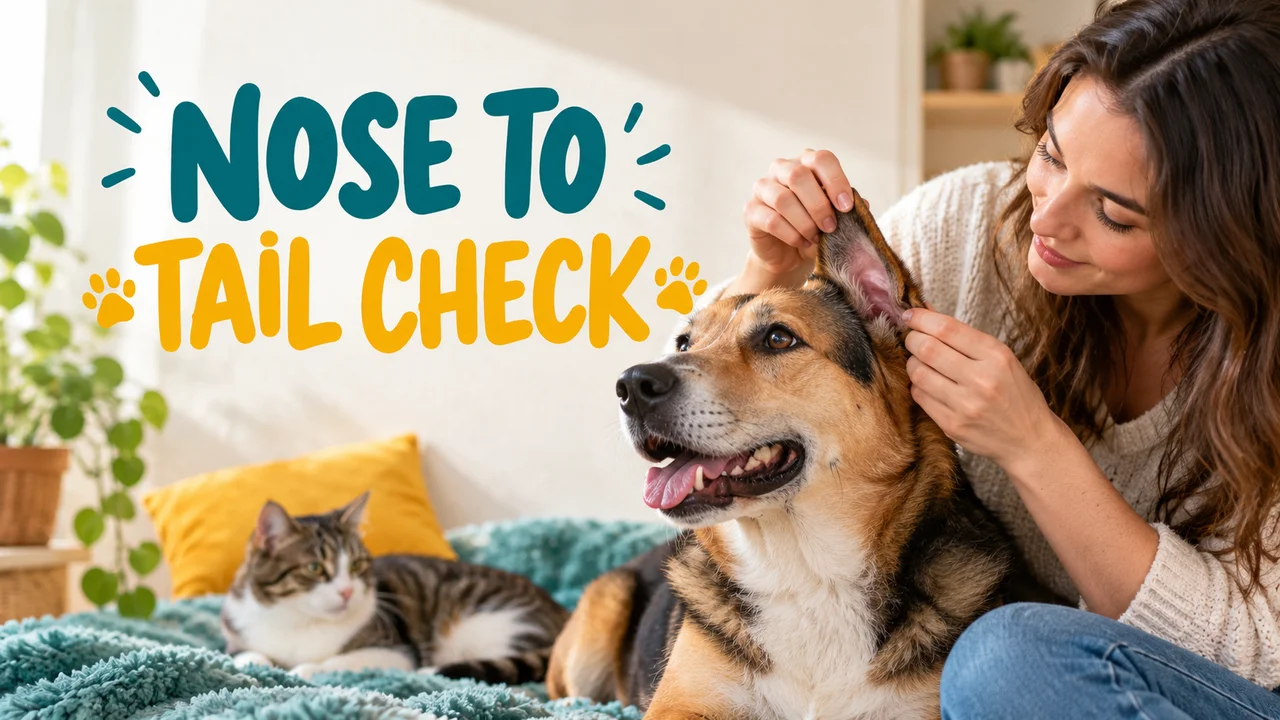
You pet your dog or cat every day, yet a small lump, a smelly ear or a claw curling toward a paw pad can slip by for weeks. A five-minute check once a week catches these things early, while they are still small.
Here is the nose-to-tail routine I teach at the front desk: gums, breathing, coat, ears and nails, plus the signs that mean you should phone the clinic.
Three owners, one pattern
An older tabby came in limping. Her owner had noticed a "tapping" on the kitchen tile for days. One claw had curled right into the pad.
A cheerful Lab arrived because "he smells funny lately." The smell was coming from one ear, and it was infected.
A cat owner mentioned a pea-sized lump she'd been "keeping an eye on" for two months. Watching can't tell you what a lump is.
All three owners petted their animals daily. Nobody had looked on purpose. Petting is not checking.
The five-minute check, step by step
1. Gums (30 seconds)
- Lift the lip. Healthy gums are moist and light pink, close to cooked shrimp.
- Press a pink spot with your fingertip until it turns white, then let go. Pink should return in under two seconds (vets call this capillary refill time).
- Dark-gummed breeds usually still have a pink patch somewhere. Use that one.
2. Breathing (1 minute)
- Wait until your pet is asleep or resting calmly. Cats must not be purring.
- Count each rise and fall of the chest as one breath. Count for 30 seconds and double it.
- A normal sleeping rate is roughly 15 to 30 breaths a minute.
3. Coat and skin (2 minutes)
- Run your fingers over the whole body with gentle pressure, feeling for bumps, scabs or sore spots.
- Check the tick hideouts: ears, eyelids, under the collar (take it off), under the front legs, between the back legs, between the toes and around the tail.
4. Ears (30 seconds)
- Look inside and sniff. A healthy ear has no strong smell and no thick discharge.
- Watch for redness, swelling, scratching or head shaking.
5. Nails (1 minute)
- Spread each toe, dewclaws included. Look for any nail curving back toward the pad.
- On a dog, nails should not touch the floor when standing. Clicking on hard floors is a hint they're long.
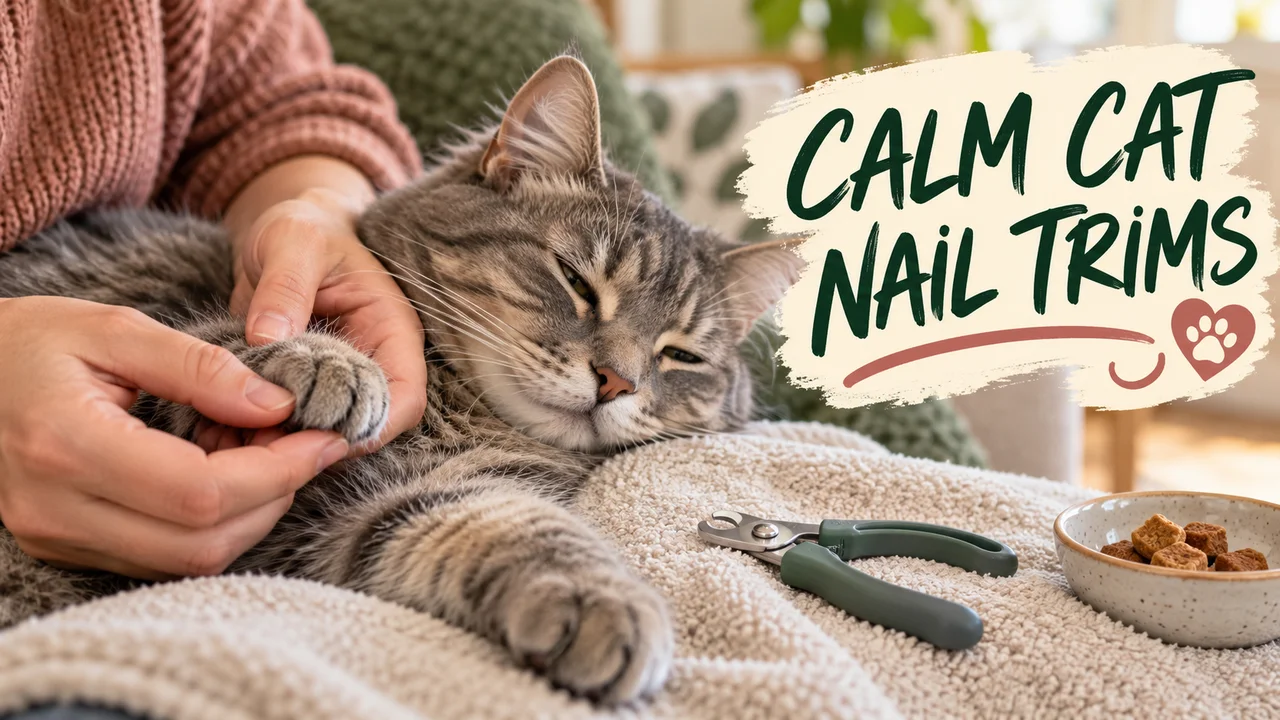
- A cat that "taps" when it walks may have a claw that can no longer retract.
Hidden tip: count breaths while they sleep
Vets use sleeping breathing rate to watch for heart trouble at home. Count it on a healthy week and jot it down, so you know your pet's normal. If the rate stays above 30 on repeated counts, call your vet soon.
Hidden tip: the pea-and-a-month rule
Veterinary cancer specialists teach "See Something, Do Something." Any lump the size of a pea (about 1 cm) that has been there for a month should be sampled with a needle. You can't tell a harmless fatty lump from a tumor by looking or feeling.
When to call the vet
| You notice | What to do |
|---|---|
| Pale, white, blue or gray gums | Call right away |
| Pink takes over 2 seconds to return | Call your vet |
| Sleeping breaths stay above 30 | Recount, then call soon |
| Lump pea-sized, there a month | Book a needle test |
| Smelly ear, discharge, head shaking | Book a visit |
| Nail touching or in the pad | Book a visit |
Honestly, Juniper glares through every check. Pepper thinks it's a game!
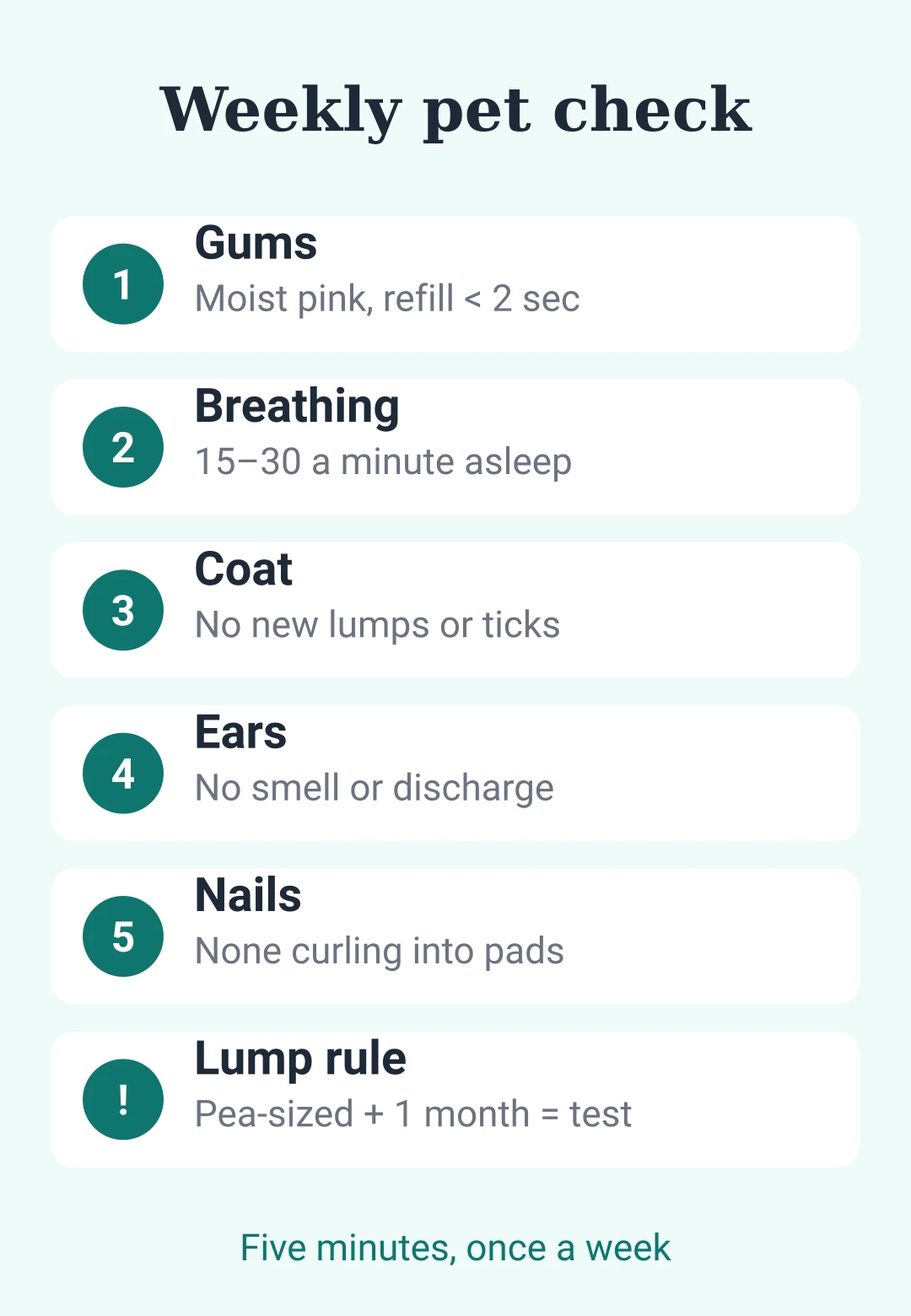
Save this: weekly check cheat sheet
| Step | Normal |
|---|---|
| Gums | Moist, light pink, refill under 2 sec |
| Breathing | 15–30 per minute asleep |
| Coat | No new lumps, scabs or ticks |
| Ears | No smell, redness or discharge |
| Nails | Off the floor, none curling in |
| Lumps | Pea-sized for a month = test |
The pattern is simple once you've seen it a hundred times: look on purpose, once a week, nose to tail.










后即可发表评论。
加载中…